




Frequently Asked Questions
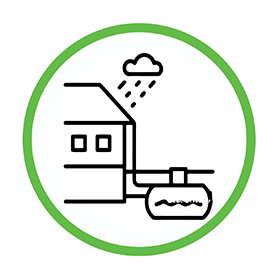
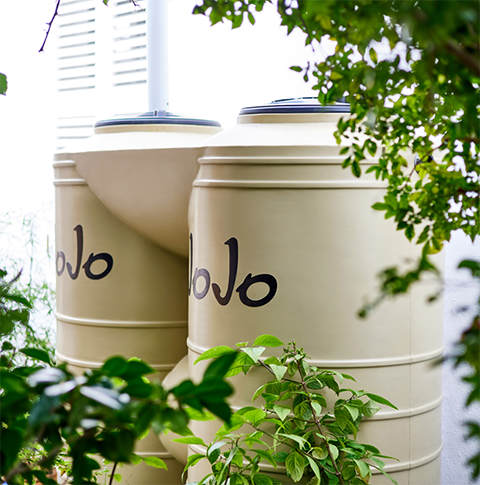
With failing water infrastructure in South Africa, the steady supply of clean water for household consumption is not guaranteed anymore. The installation of water tanks and pressure booster pumps can safeguard inhabitants against water outages.
Best option is to check your municipal bill and get an average over a 6-month period. Alternatively, monitor your water meter over a few days to determine your average use per day.
Rainwater is best used for irrigation, filling of pools, and washing of cars. If you opt to use rainwater for drinking or cooking, it should be combined with a good filtration system for the house and filtered at the point of consumption.
The tanks are lined with BPA-free food-grade plastic, safe for water storage. However, water should circulate regularly and not be kept for longer than 2 weeks.
All rainwater stored for human consumption should be filtered before use.
If the water circulates constantly, you do not need to filter your treated municipal water unless your local government water standard is known to be problematic.
Filters should be replaced every 6-12 months, depending on the quality of the water. A regular inspection of the filters will assist in making a good decision.
Ensure the lid is secure at all times using the tank-specific clips. Add a mesh screen on the top opening to prevent leaves and insects from entering via the gutters. Close the spill outlet or screw on an insect screen.
The size of the pump is determined by the number of taps, the distance, and the size of the house. Generally, a 0.37 kW pump supports 1-2 taps, and a 0.75 kW pump supports 2-4 taps. Larger homes need bigger pumps. For battery power backup, use pumps with a Variable Speed Drive (VSD).
Generally, 1 person consumes 150 liters of water per day in South Africa, depending on lifestyle, house size, and frequency of activities like watering gardens or filling pools.
Good quality tanks are lined with a black food-grade lining that does not allow light to enter, preventing algae growth.